dinglimachine01@gmail.com
+86 16638159081(Wechat/WhatsApp)
dinglimachine01@gmail.com
+86 16638159081(Wechat/WhatsApp)

Nut shells such as walnut shells, peanut shells, pistachio shells, almond shells and cashew nut shells are lignocellulosic biomass residues with significant potential for thermochemical conversion. Pyrolysis provides a way to transform these residues into carbon-rich solid products while also generating combustible gases and, depending on the process configuration, liquid products. Research has demonstrated the potential of different nut shells for producing biochar, solid biofuel and other value-added carbon materials.
Our nut shell pyrolysis equipment is designed to thermally process nut shell materials under controlled oxygen-limited conditions. Before entering the pyrolysis system, the raw material can be prepared through screening, crushing and drying according to its characteristics. During pyrolysis, the organic components of the shells decompose under controlled temperatures, producing a carbon-rich solid product while releasing volatile gases.
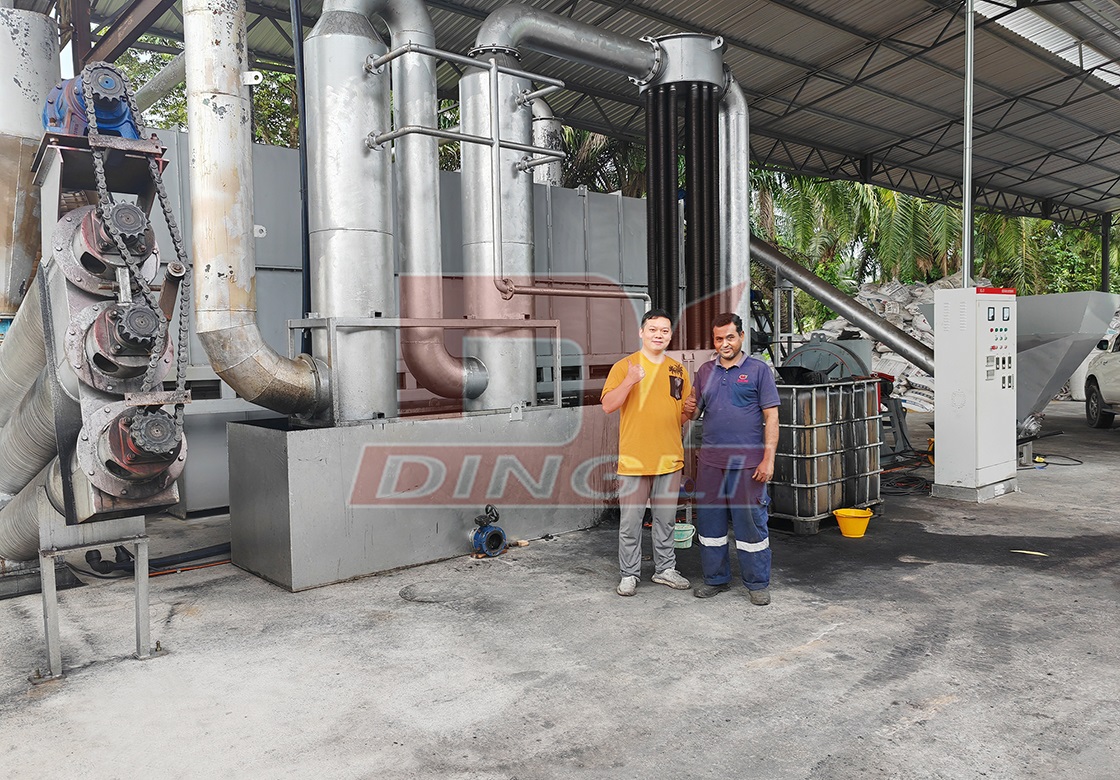
With appropriate feedstock preparation and process control, nut shell pyrolysis equipment can help biomass processors convert agricultural and food-processing residues into useful carbon products. Rather than treating nut shells simply as waste, the pyrolysis process creates an additional pathway for biomass resource utilization and value-added carbon production.
Our equipment can be configured according to the customer's raw material, required capacity, moisture content, final product and downstream processing requirements. For projects involving walnut shell, peanut shell, cashew shell, almond shell or other nut residues, material testing can help determine suitable operating conditions and the expected product characteristics.
I would like to ask for a price quotetion for DLTJ2212.
Hello. How much is your "DLTJ1912" model?
Please send offer for biochar making machine with all technicals spécifications
We are in need of a rice husk charcoal machne for bio coal making.
We are intrested in contiunous carbonization machine, we need a high capacity.
We are interested in biomass pyrolysis machine 2 tons per hour .
Interested in wood charcoal machine. what price and size of wood it creates?